
All orders are shipped exclusively to the UK from the UK with free delivery (Royal Mail Tracked 24 & DHL Next Day)
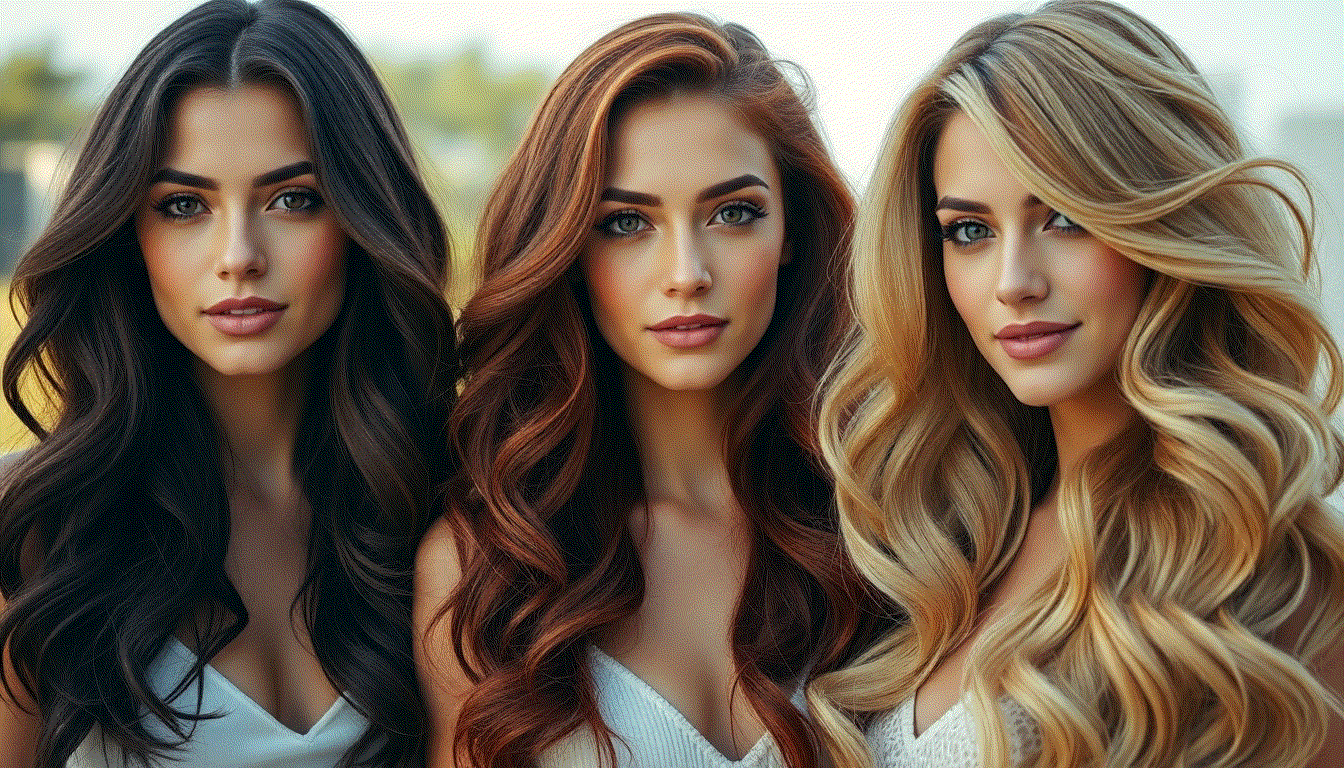
How to Choose the Right Halo Hair Extensions for Your Hair Type
by Halo Hair Extensions
So you've decided to take the plunge and invest in halo hair extensions – brilliant choice! But now comes the tricky part: figuring out which ones are actually right for you. With so many options out there, it's easy to feel overwhelmed. Don't worry though, because we're here to break it all down for you in a way that actually makes sense.
Halo hair extensions have become absolutely massive in recent years, and for good reason. They're comfortable, they look natural, and they give you that gorgeous volume and length without the commitment of permanent extensions. But here's the thing – not all halo extensions are created equal, and what works brilliantly for your mate might be a complete disaster for you. That's why understanding your hair type and matching it with the right extensions is absolutely crucial.
In this comprehensive guide, we're going to walk you through everything you need to know about choosing the perfect halo hair extensions for your specific hair type. Whether you've got fine, delicate hair, thick and coarse locks, curly tresses, or anything in between, we've got you covered. Let's dive in!
Understanding Your Hair Type
Before you even start looking at halo extensions, you need to have a proper understanding of your own hair. This is genuinely the foundation of everything else we're going to talk about, so don't skip this bit.
Hair Texture Matters
Your hair texture is basically the natural pattern and feel of your hair. It's determined by genetics and is something you're born with. There are generally three main hair textures: straight, wavy, and curly. Some people have a combination of these, which makes things a bit more interesting.
Straight hair is exactly what it sounds like – your hair grows out of your scalp in a straight line without any natural waves or curls. If you've got straight hair, you're probably used to it being relatively easy to manage, though it might get a bit limp or flat if it's fine.
Wavy hair has a natural wave pattern that falls somewhere between straight and curly. It's got some movement and texture, but it's not full-on curly. Wavy hair can be absolutely gorgeous, but it sometimes has a mind of its own and can be prone to frizz.
Curly hair has a distinct spiral or coil pattern. This can range from loose waves to tight coils, and curly hair tends to be drier than straight or wavy hair because the natural oils from your scalp have a harder time travelling down the hair shaft.
Hair Density and Thickness
Now, density and thickness are two different things, and it's important to understand the difference. Density refers to how many hair strands you actually have on your head. Thickness refers to the diameter of each individual hair strand.
You could have thick hair but low density (fewer strands that are each quite thick), or you could have fine hair but high density (loads of thin strands). Most people have a combination somewhere in the middle, but understanding where you fall on this spectrum is really important for choosing extensions.
If you've got fine, thin hair with low density, you need to be careful about choosing extensions that are too heavy or too thick, as they can put strain on your natural hair and look unnatural. On the flip side, if you've got thick, coarse hair with high density, you might need thicker extensions to match and blend properly.
Hair Porosity
Hair porosity is all about how well your hair absorbs and retains moisture. It's determined by how open or closed the cuticle layer of your hair is. Understanding your hair's porosity can actually help you figure out how well extensions will blend and how you should care for them.
Low porosity hair has a tightly closed cuticle layer, which means it doesn't absorb moisture easily. This type of hair tends to be shiny and can sometimes feel a bit slippery. High porosity hair has a more open cuticle layer, which means it absorbs moisture readily but also loses it quickly. This type of hair can sometimes feel dry and frizzy.
You can do a simple porosity test at home by dropping a strand of your hair into a glass of water. If it sinks quickly, you've got high porosity hair. If it floats or sinks slowly, you've got low porosity hair.
The Different Types of Halo Hair Extensions
Now that you understand your hair better, let's talk about the different types of halo extensions available. At Halo Hair Extensions, we offer several different ranges, each with their own characteristics and benefits.
Standard Halo Extensions
Standard halo extensions are the classic option that started it all. They're made with quality hair that's been processed to remove the cuticle layer, which makes them easier to style and colour. These extensions are great for most hair types and offer a really good balance between quality and affordability.
Standard halo extensions typically weigh between 80-100 grams, which makes them comfortable to wear for extended periods. They're perfect if you're new to halo extensions and want to test the waters without breaking the bank.
Deluxe Halo Extensions
Deluxe halo extensions are a step up from the standard option. They're made with higher quality hair that's been more carefully processed to maintain the integrity of the hair. These extensions tend to have a softer feel and blend more seamlessly with most hair types.
The deluxe range is ideal if you've got medium to thick hair and want extensions that will last longer and maintain their appearance better over time. They're a bit pricier than standard extensions, but the quality difference is definitely noticeable.
Premium Halo Extensions
Premium halo extensions are where things get really special. These are made with the highest quality hair available, often using virgin or minimally processed hair. Premium extensions have an incredibly soft, silky feel and blend beautifully with natural hair.
If you've got fine or delicate hair, premium extensions might be your best bet because they're lighter and less likely to cause damage or look bulky. They're also fantastic if you want extensions that will last for years with proper care.
Matching Extensions to Your Hair Type
Right, so now we've covered the basics of both your hair and the different types of extensions available. Let's get into the nitty-gritty of actually matching them together.
Fine and Thin Hair
If you've got fine, thin hair, you need to be really careful about the weight and thickness of your extensions. Heavy extensions can put too much strain on your delicate hair and can actually cause damage over time. They can also look unnatural and bulky.
For fine hair, we'd recommend going for either premium or VIP halo extensions. These are lighter and more delicate, which means they won't weigh down your hair or look obvious. The quality of these extensions also means they'll blend more seamlessly with your fine strands.
When it comes to the weight, aim for extensions that are around 60-80 grams. This is light enough not to cause strain but heavy enough to give you noticeable volume and length. You might also want to consider going for a slightly shorter length than you might normally choose, as this will reduce the overall weight.
In terms of colour matching, fine hair can sometimes look a bit washed out, so you might want to choose extensions that are slightly darker or richer in tone than your natural hair. This can help create more dimension and make your hair look fuller.
Medium Hair
If you've got medium density and thickness hair, you're actually in a pretty good position. You've got more flexibility when it comes to choosing extensions because your hair can handle a bit more weight and thickness.
For medium hair, standard or deluxe halo extensions are usually a great choice. They offer good quality without being overly expensive, and they'll blend nicely with your natural hair. The weight of these extensions (around 80-100 grams) should be comfortable for you to wear.
When it comes to length, you can pretty much go for whatever you want. Medium hair can handle longer extensions without looking too dramatic or unnatural. Just make sure you're choosing a length that actually works for your lifestyle and styling preferences.
Colour matching is usually pretty straightforward with medium hair. You can typically match the extension colour quite closely to your natural hair colour, and it should blend seamlessly.
Thick and Coarse Hair
If you've got thick, coarse hair, you need extensions that can match the weight and texture of your natural hair. Thin or lightweight extensions will look completely out of place and won't blend properly.
For thick hair, deluxe or premium halo extensions are usually your best bet. These are thicker and heavier, which means they'll match your natural hair better and blend more seamlessly. The quality of these extensions also means they'll hold up well to the styling and care that thick hair often requires.
You might even be able to handle VIP extensions if you want the absolute best quality and appearance. Thick hair is generally more resilient, so it can handle the weight of premium extensions without any issues.
When it comes to weight, you can go for extensions in the 100-120 gram range. Your hair is strong enough to handle this, and it'll give you really noticeable volume and length.
For colour matching, thick hair often has more dimension and variation in tone, so you might want to choose extensions that have a similar level of variation. This will help them blend more naturally with your hair.
Curly and Textured Hair
Curly and textured hair is a bit different because you need extensions that will work with your natural curl pattern rather than against it. This is actually one of the trickier hair types to match with extensions, but it's definitely doable.
For curly hair, you want to look for extensions that have a similar texture to your natural hair. Some of our extensions come in curly or textured options, which are absolutely perfect for this. If you can't find extensions in your exact curl pattern, you can sometimes curl straight extensions to match your hair, but this requires a bit of skill and care.
In terms of weight and thickness, curly hair often has lower density but higher thickness per strand, so you need to be a bit careful. You don't want extensions that are too heavy, but you do want them to be thick enough to match your natural hair. Premium or VIP extensions are often a good choice because they're high quality and will blend well.
Colour matching with curly hair can be a bit tricky because curls often have more dimension and variation in tone. Try to choose extensions that have a similar level of variation to your natural hair. You might also want to consider going slightly darker, as curly hair often looks richer in tone.
Straight Hair
If you've got straight hair, you're in a pretty good position because straight extensions are widely available and easy to match. Straight hair is generally easier to work with than curly or textured hair.
For straight hair, you can really go with any of the halo extension ranges depending on your hair thickness and density. If you've got fine straight hair, go for premium or VIP extensions. If you've got medium or thick straight hair, standard or deluxe extensions will work great.
Colour matching is usually pretty straightforward with straight hair. Just try to match the extension colour as closely as possible to your natural hair colour, and you should be good to go.
Wavy Hair
Wavy hair is somewhere in the middle, and it can actually be really versatile when it comes to extensions. You can wear straight extensions and they'll blend okay, or you can curl them to match your natural waves.
For wavy hair, deluxe or premium extensions are usually a good choice. They're high enough quality to blend well with your natural hair, but they're not so expensive that you'll feel bad about potentially curling them to match your waves.
When it comes to weight and thickness, aim for something in the medium range. Your wavy hair can handle a bit of weight, but you don't want extensions that are so heavy they pull your waves out.
For colour matching, try to match the extension colour to your natural hair colour. Wavy hair often has a bit of dimension, so you might want to choose extensions that have a similar level of variation.
Colour Matching Your Extensions
Getting the colour right is absolutely crucial if you want your extensions to look natural and blend seamlessly with your hair. This is actually one of the most common mistakes people make when choosing extensions, so let's talk about it properly.
Understanding Hair Colour
Hair colour is more complex than just "blonde" or "brown". There are actually lots of different factors that go into hair colour, including the base tone, the depth, and any highlights or lowlights.
The base tone of your hair is the underlying colour. This can be warm (golden, red, or orange undertones), cool (ashy or blue undertones), or neutral (a mix of warm and cool). Understanding your base tone is really important for colour matching because extensions with the wrong base tone will look completely off, even if the depth is right.
The depth of your hair colour refers to how light or dark it is. This is usually measured on a scale from 1 (black) to 10 (lightest blonde). Most people fall somewhere in the middle of this scale.
If you've got highlights or lowlights in your hair, you need to take these into account when choosing extensions. You might need to choose extensions that are a slightly different colour than your base hair colour to account for these lighter or darker pieces.
How to Match Your Colour
The best way to match your extension colour is to take a strand of your hair to the shop with you. This way, you can compare it directly to the extension colours and see which one matches best. If you can't do this in person, try to take a photo of your hair in natural daylight and compare it to the extension colours online.
When you're comparing colours, make sure you're doing it in natural daylight if possible. Artificial lighting can really throw off colour matching and make extensions look completely different than they actually are.
If you can't find an exact match, it's usually better to go slightly darker rather than slightly lighter. Darker extensions will blend more easily with your natural hair, whereas lighter extensions can sometimes look a bit brassy or obvious.
Dealing with Highlights and Lowlights
If you've got highlights or lowlights in your hair, you've got a few options. You can choose extensions that match your base colour and let the highlights and lowlights do their thing naturally. You can also choose extensions that are a slightly lighter shade to account for your highlights.
Some people with heavily highlighted hair choose to get two different shades of extensions and blend them together. This can look really natural, but it does require a bit more skill and effort.
If you're planning to get your hair coloured or highlighted after you get your extensions, try to do this before you get the extensions if possible. This way, you can match the extensions to your new colour rather than having to worry about matching them later.
Considering Your Lifestyle and Styling Preferences
Beyond just your hair type and colour, there are other factors you should consider when choosing halo extensions. Your lifestyle and styling preferences can actually have a big impact on which extensions are right for you.
How Often Do You Style Your Hair?
If you style your hair every single day, you might want to go for more durable extensions that can handle frequent styling. Premium or VIP extensions are usually better for this because they're higher quality and can withstand more heat and manipulation.
If you prefer a more low-maintenance approach and don't style your hair much, standard or deluxe extensions might be perfectly fine for you. They'll still look great, and you won't need to worry as much about them getting damaged from styling.
Do You Use Heat Styling Tools?
If you regularly use heat styling tools like straighteners, curling irons, or blow dryers, you need extensions that can handle this. Most halo extensions can handle some heat, but higher quality extensions are generally more heat-resistant and will last longer.
If you don't use heat styling tools much, you've got more flexibility in terms of which extensions you choose. You can go for more delicate extensions without worrying about them getting damaged from heat.
What's Your Budget?
Let's be honest, budget is a factor for most of us. Standard halo extensions are the most affordable option, while VIP extensions are the most expensive. Deluxe and premium extensions fall somewhere in the middle.
Think about how much you're willing to spend and what you're willing to compromise on. If you've got a tight budget, standard extensions are still a great option and will give you a noticeable difference. If you've got more to spend, investing in higher quality extensions will give you better longevity and appearance.
How Long Do You Want to Keep Your Extensions?
If you're planning to wear your extensions for just a few months or a special occasion, you might not need to invest in the most expensive option. Standard or deluxe extensions will be perfectly fine.
If you're planning to wear your extensions long-term and want them to last for years, it's worth investing in premium or VIP extensions. The higher quality will mean they last longer and maintain their appearance better over time.
Length and Volume Considerations
Beyond just the type and colour of extensions, you also need to think about the length and volume you want.
Choosing the Right Length
Halo extensions come in various lengths, typically ranging from 16 inches to 24 inches or even longer. The length you choose should depend on
Leave a comment