
FREE Royal Mail Tracked 24 & DHL Next Day Delivery • UK + Ireland Delivery Only
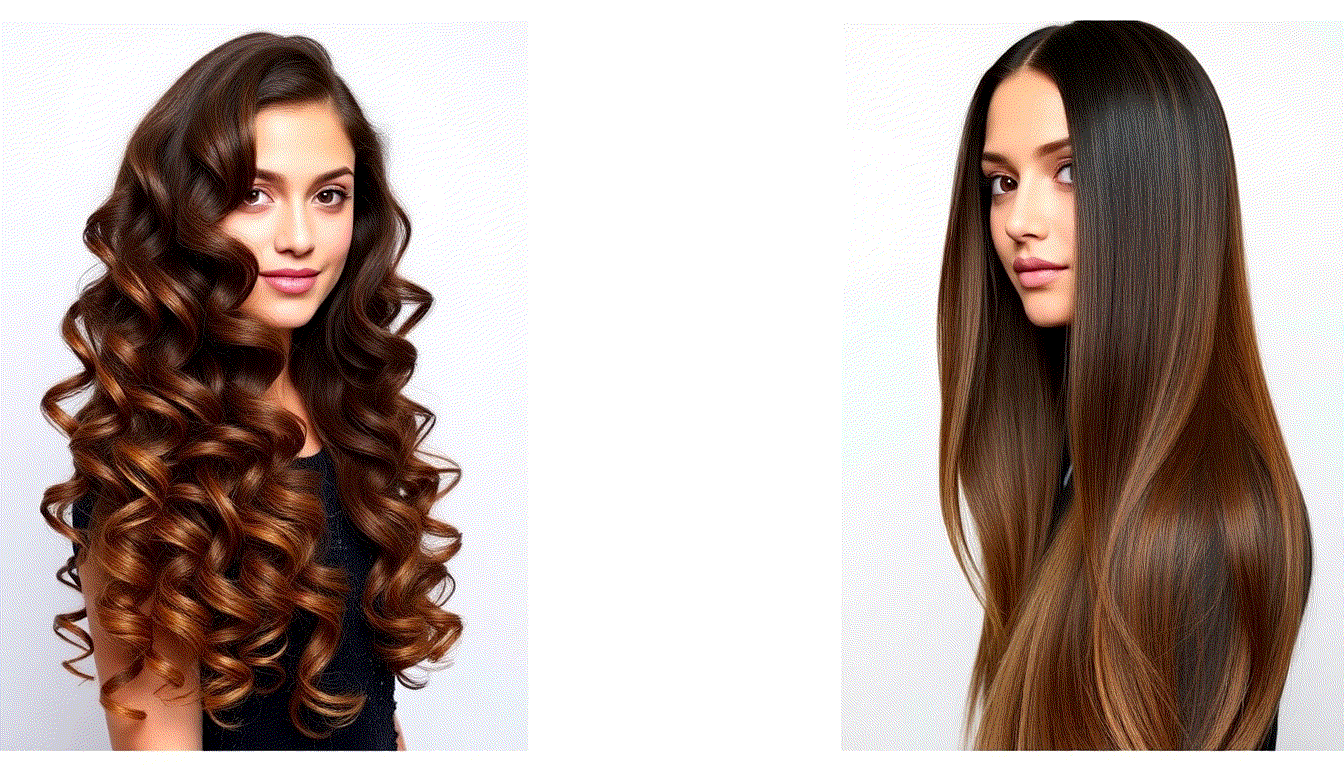
Human Hair vs Synthetic Hair Extensions: Which Is Best for Your Lifestyle and Budget
by Halo Hair Extensions
When it comes to enhancing your natural hair, the choice between human hair and synthetic hair extensions can feel overwhelming. Both options have their merits, and understanding the differences between them is crucial for making an informed decision that aligns with your lifestyle, budget, and hair goals. At Halo Hair Extensions, we're committed to helping you find the perfect solution for your hair enhancement needs. In this comprehensive guide, we'll explore every aspect of human hair versus synthetic hair extensions, from cost comparisons to maintenance requirements, styling versatility, and longevity.
Understanding Hair Extensions: The Basics
Before diving into the comparison, let's establish what hair extensions are and why they've become such a popular beauty solution. Hair extensions are additional strands of hair that are attached to your natural hair to add length, volume, or both. They've revolutionized the way people approach hair styling, offering instant transformations without waiting months for natural growth.
The hair extension market has exploded over the past decade, with countless options available to consumers. However, the two primary categories remain human hair and synthetic hair extensions. Each type has distinct characteristics that make them suitable for different people and situations.
What Are Human Hair Extensions?
Human hair extensions are exactly what they sound like: real hair harvested from human donors. This hair is typically sourced from various countries around the world, with Indian, Brazilian, and European hair being among the most popular types. The quality and characteristics of human hair extensions depend on their origin, processing method, and how they've been treated.
Human hair extensions offer an unparalleled level of authenticity and versatility. Because they're real hair, they behave like your natural hair, responding to heat styling, humidity, and other environmental factors in the same way. This makes them incredibly popular among people who want a seamless, natural-looking enhancement.
One of the biggest advantages of human hair extensions is their ability to be styled in virtually any way. You can curl them, straighten them, color them, and treat them much like you would your own hair. This level of flexibility makes human hair extensions ideal for people who love experimenting with different looks and styles.
What Are Synthetic Hair Extensions?
Synthetic hair extensions are made from high-quality synthetic fibers designed to mimic the appearance and feel of real hair. Modern synthetic fibers have come a long way, and today's synthetic extensions can look remarkably realistic. They're manufactured to have specific characteristics, including texture, curl pattern, and color.
Synthetic hair extensions are pre-styled, meaning they come with a set curl pattern or texture that's designed to hold its shape. This is one of their most significant advantages: they require minimal styling effort and maintain their appearance with basic care. For people who want a low-maintenance hair solution, synthetic extensions can be an excellent choice.
The manufacturing process for synthetic hair has improved dramatically over the years. Premium synthetic fibers now offer a more natural appearance and feel compared to older generations of synthetic hair. However, they still have limitations when it comes to heat styling and color customization.
Cost Comparison: Initial Investment
When it comes to the initial cost of hair extensions, synthetic options are typically significantly cheaper than human hair. This is one of the primary reasons many people choose synthetic extensions, especially if they're new to wearing extensions or on a tight budget.
Human hair extensions generally cost between £200 and £1,000 or more, depending on the quality, length, and weight. Premium human hair extensions from reputable sources like Halo Hair Extensions can be a substantial investment. However, this higher upfront cost reflects the quality and longevity of the product.
Synthetic hair extensions, on the other hand, typically range from £30 to £200, making them accessible to a much wider audience. This lower price point makes synthetic extensions an attractive option for people who want to try extensions without making a significant financial commitment.
However, when evaluating cost, it's essential to consider not just the initial purchase price but also the long-term expenses associated with maintenance, replacement, and styling. A cheaper initial investment doesn't always mean better value in the long run.
Cost Comparison: Long-Term Expenses
While synthetic extensions have a lower upfront cost, human hair extensions often provide better value over time. This is because human hair extensions last significantly longer than synthetic alternatives, meaning you won't need to replace them as frequently.
Human hair extensions, with proper care, can last anywhere from six months to two years or even longer. Some high-quality human hair extensions can be worn for extended periods, making the cost per wear quite reasonable. Additionally, because human hair extensions can be dyed, styled, and treated like natural hair, you can refresh their appearance without replacing them entirely.
Synthetic hair extensions typically last between three to six months with regular wear. While they're cheaper to replace, the cumulative cost of replacing synthetic extensions multiple times per year can add up quickly. If you wear extensions year-round, you might find yourself spending more on synthetic replacements than you would have spent on a single set of quality human hair extensions.
Furthermore, human hair extensions can be professionally maintained and refreshed, extending their lifespan even further. Services like re-tipping, re-bonding, and professional cleaning can keep your human hair extensions looking beautiful for longer, adding to their overall value.
Maintenance Requirements: Human Hair Extensions
Maintaining human hair extensions requires more effort than synthetic alternatives, but the investment in proper care pays off in longevity and appearance. Human hair extensions need to be treated similarly to your natural hair, with regular washing, conditioning, and protection from damage.
When washing human hair extensions, it's important to use sulfate-free shampoos and conditioners specifically designed for extensions. Regular shampoos can be too harsh and may cause the hair to dry out or become damaged. You should wash your extensions gently, avoiding vigorous scrubbing or twisting motions that could cause tangling or breakage.
Conditioning is crucial for maintaining the softness and shine of human hair extensions. Because extensions don't receive natural oils from your scalp like your natural hair does, they require regular conditioning treatments. Many people with human hair extensions use deep conditioning masks weekly or bi-weekly to keep their extensions in optimal condition.
Heat protection is another essential aspect of maintaining human hair extensions. If you use heat styling tools like blow dryers, flat irons, or curling irons, always apply a heat protectant spray first. This helps prevent damage and keeps your extensions looking beautiful for longer.
Additionally, human hair extensions should be brushed gently and regularly to prevent tangling. Using a wide-tooth comb or a specialized extension brush, start from the ends and work your way up, being careful not to pull on the bonds or attachment points.
Maintenance Requirements: Synthetic Hair Extensions
Synthetic hair extensions are significantly lower maintenance than human hair, which is one of their primary advantages. Because they're made from synthetic fibers, they don't require the same level of care and attention as real hair.
Synthetic extensions should be washed less frequently than human hair, typically every two to four weeks depending on how often you wear them. When you do wash them, use cool water and a gentle shampoo designed for synthetic hair. Avoid hot water, as it can damage the synthetic fibers and cause them to lose their shape.
One of the biggest advantages of synthetic extensions is that they don't require conditioning in the same way human hair does. In fact, many synthetic fibers can be damaged by traditional conditioners. Instead, synthetic extensions benefit from specialized synthetic hair conditioners or leave-in conditioners designed specifically for this type of hair.
Heat styling is generally not recommended for synthetic extensions, as most synthetic fibers will melt or become damaged when exposed to high temperatures. This is a significant limitation for people who enjoy styling their hair with heat tools. However, some premium synthetic fibers are heat-resistant and can tolerate low to moderate heat, though they still shouldn't be exposed to the high temperatures that human hair can withstand.
Synthetic extensions are pre-styled and maintain their curl pattern or texture with minimal effort. This means you can simply air-dry them or use a cool blow dryer, and they'll look great without additional styling. For people with busy lifestyles or those who prefer low-maintenance hair solutions, this is a major advantage.
Styling Versatility: Human Hair Extensions
One of the most compelling reasons to choose human hair extensions is their incredible styling versatility. Because they're real hair, you can style them in virtually any way you can style your natural hair. This opens up endless possibilities for creating different looks and experimenting with new styles.
With human hair extensions, you can use heat styling tools like blow dryers, flat irons, and curling irons to create any look you desire. You can straighten curly extensions, curl straight extensions, or create waves and texture. This level of control allows you to match your extensions to your natural hair texture or create entirely new looks.
Color customization is another major advantage of human hair extensions. You can dye human hair extensions to match your natural hair color perfectly, or you can use them as an opportunity to experiment with highlights, lowlights, or even bold color changes. This flexibility makes it easy to refresh your look or adapt your extensions to seasonal color trends.
Human hair extensions can also be treated with various styling products and treatments. You can use volumizing sprays, texturizing products, and other styling aids to create the exact look you want. This level of customization is impossible with synthetic extensions, which have a fixed appearance.
For people who love fashion and enjoy experimenting with different hairstyles, human hair extensions offer unmatched versatility. Whether you want sleek and straight, voluminous curls, beachy waves, or any style in between, human hair extensions can deliver.
Styling Versatility: Synthetic Hair Extensions
Synthetic hair extensions come with a fixed style and texture that's designed to be maintained as-is. This means you have limited styling options compared to human hair, but it also means your extensions will always look the same without requiring styling effort.
Most synthetic extensions cannot be heat-styled, which significantly limits your styling options. You can't straighten curly synthetic extensions or add curls to straight ones. However, some premium synthetic fibers are heat-resistant and can tolerate low to moderate heat, allowing for some styling flexibility.
The pre-styled nature of synthetic extensions means they're ideal if you love a particular look and want to maintain it consistently. If you choose a synthetic extension with a curl pattern you love, you'll have that curl pattern every single time you wear them, without needing to style them.
Color customization is generally not possible with synthetic extensions. Most synthetic fibers cannot be dyed using traditional hair dyes, as the color is built into the fiber itself. This means you're limited to the colors available in the product line you choose. However, some premium synthetic extensions now come in a wider range of colors and shades to accommodate different preferences.
For people who prefer a consistent, low-maintenance look and don't enjoy styling their hair, synthetic extensions are an excellent choice. They eliminate the need for daily styling while still providing a beautiful, polished appearance.
Longevity and Durability
The lifespan of your hair extensions is a crucial factor to consider when deciding between human and synthetic options. This directly impacts the overall value and cost-effectiveness of your choice.
Human hair extensions, with proper care, can last significantly longer than synthetic alternatives. High-quality human hair extensions can be worn for six months to two years or even longer, depending on how frequently you wear them and how well you care for them. Some people report wearing the same set of human hair extensions for multiple years with proper maintenance and professional care.
The durability of human hair extensions is one of their greatest strengths. Because they're real hair, they don't degrade or lose their quality as quickly as synthetic fibers. With regular maintenance, conditioning, and professional care, human hair extensions can maintain their appearance and integrity for an extended period.
Synthetic hair extensions typically last between three to six months with regular wear. The synthetic fibers gradually lose their shape, color, and texture over time, especially with frequent washing and styling. Once synthetic extensions start to deteriorate, they generally cannot be restored to their original condition and must be replaced.
The longevity difference between human and synthetic extensions is significant. If you wear extensions regularly, you might need to replace synthetic extensions three to four times per year, while a single set of human hair extensions could last you for an entire year or longer. This makes human hair extensions a more sustainable and cost-effective choice in the long run.
Natural Appearance and Blending
When it comes to achieving a natural, seamless look, human hair extensions have a clear advantage. Because they're real hair, they blend perfectly with your natural hair, creating an undetectable enhancement.
Human hair extensions move and flow like natural hair, responding to wind, humidity, and movement in the same way your own hair does. This creates a completely natural appearance that's virtually impossible to distinguish from your real hair. The texture, shine, and behavior of human hair extensions are identical to natural hair, making them the gold standard for achieving a seamless look.
The color matching of human hair extensions is also superior. Real hair has natural variations in tone and undertone that create depth and dimension. When properly matched to your natural hair color, human hair extensions blend seamlessly, creating a flawless appearance.
Synthetic hair extensions, while they've improved dramatically over the years, still have a slightly different appearance and feel compared to natural hair. The shine and texture of synthetic fibers can sometimes look artificial, especially in certain lighting conditions. Additionally, synthetic hair doesn't move and flow quite like natural hair, which can make the extensions more noticeable.
However, premium synthetic extensions have made significant strides in mimicking the appearance of natural hair. High-quality synthetic fibers now offer a more realistic look and feel, and many people find that synthetic extensions blend well with their natural hair, especially if they choose a color and texture that matches closely.
Comfort and Wearability
Comfort is an important consideration when choosing hair extensions, as you'll be wearing them for extended periods. Both human and synthetic extensions can be comfortable when properly applied and maintained, but there are some differences to consider.
Human hair extensions feel more like natural hair, which many people find more comfortable. They have a similar weight and texture to real hair, and they move and flow naturally. This can make wearing human hair extensions feel less noticeable and more comfortable throughout the day.
Synthetic hair extensions are typically lighter in weight than human hair extensions, which some people find more comfortable, especially if they're new to wearing extensions. The lighter weight can reduce tension on your natural hair and scalp, making them a good choice for people with sensitive scalps or fine hair.
The comfort of extensions also depends on how they're applied and maintained. Properly applied extensions, whether human or synthetic, should feel comfortable and secure. Regular maintenance and proper care are essential for ensuring your extensions remain comfortable throughout their lifespan.
Best Choice for Different Lifestyles
Choosing between human and synthetic hair extensions ultimately depends on your lifestyle, preferences, and priorities. Let's explore which option might be best for different types of people.
Active Lifestyles and Sports
If you have an active lifestyle and spend a lot of time exercising, swimming, or participating in sports, synthetic extensions might be a better choice. They're more resistant to sweat and chlorine, and they require less maintenance after physical activity. Human hair extensions can be damaged by chlorine and salt water, so they require more careful protection if you swim frequently.
However, if you're willing to take precautions to protect your human hair extensions, they can still work well with an active lifestyle. Using protective products before swimming and rinsing thoroughly afterward can help preserve your extensions.
Fashion-Forward and Style-Conscious
If you love experimenting with different hairstyles and colors, human hair extensions are the clear winner. Their styling versatility allows you to create any look you want, from sleek and straight to voluminous curls to bold colors. If you enjoy changing your style frequently, human hair extensions give you the freedom to do so.
Busy Professionals
For busy professionals who don't have much time for hair maintenance, synthetic extensions are an excellent choice. They require minimal styling effort and maintenance, allowing you to look polished without spending time on your hair. You can simply wear them as-is and enjoy a beautiful appearance without the daily styling routine.
Budget-Conscious Consumers
If you're on a tight budget and want to try extensions without making a significant financial commitment, synthetic extensions are the way to go. Their lower upfront cost makes them accessible to everyone, and they provide a beautiful enhancement at an affordable price point.
However, if you're willing to invest more upfront, human hair extensions offer better long-term value due to their longevity and durability.
People with Sensitive Scalps
If you have a sensitive scalp or fine hair, synthetic extensions might be more comfortable due to their lighter weight. However, the comfort of extensions depends more on how they're applied and maintained than on whether they're human or synthetic. Properly applied extensions of either type should be comfortable.
Long-Term Wearers
If you plan to wear extensions regularly and for extended periods, human hair extensions are the better choice. Their longevity and durability make them more cost-effective in the long run, and they maintain their appearance better over time.
Quality Considerations for Human Hair Extensions
Not all human hair extensions are created equal. The quality of human hair extensions varies significantly based on their source, processing method, and how they've been treated. Understanding quality factors is essential for making a good investment.
The origin of the hair is one of the most important quality factors. Indian, Brazilian, and European hair are among the most popular types, each with distinct characteristics. Indian hair is typically thick and strong, Brazilian hair is known for its natural wave and shine, and European hair is often the finest and most delicate.
The processing method also affects quality. Virgin hair, which hasn't been chemically processed, is the highest quality and most expensive option. Remy hair, where the cuticles are aligned in the same direction, is also high quality and more durable. Non-Remy hair is less expensive but may not last as long or look as natural.


Leave a comment