

FREE Royal Mail Tracked 24 & DHL Next Day Delivery • UK + Ireland Delivery Only
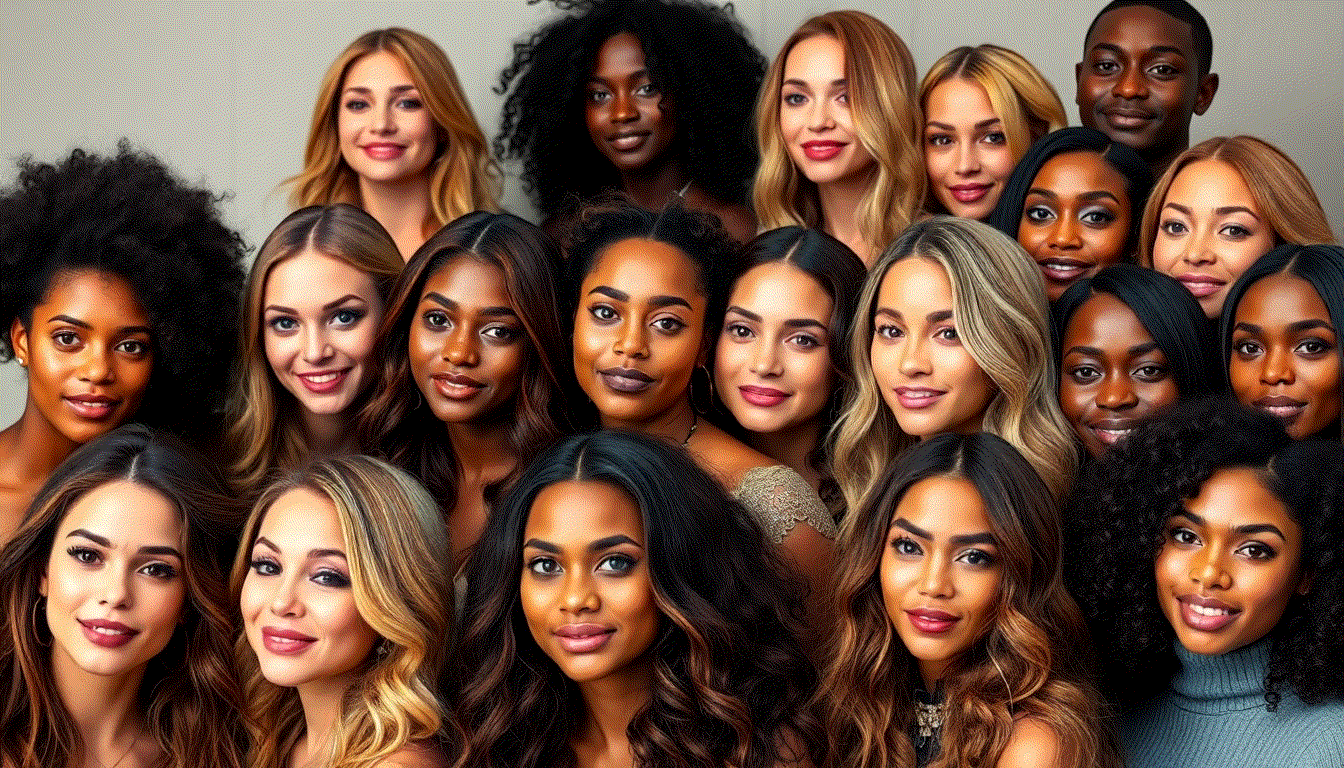
How to Choose the Perfect Halo Hair Extensions Colour: A Complete Colour Matching Guide
by Halo Hair Extensions
Choosing the Right Colour Is the Secret to Natural-Looking Hair Extensions
One of the biggest questions customers ask before buying Halo Hair Extensions is: "How do I choose the right shade?" The good news is that colour matching doesn't have to be difficult or overwhelming. By understanding a few simple principles and following our expert guidance, you can achieve a seamless, natural blend that enhances your own hair beautifully and gives you the confidence to wear your extensions with pride.
At Halo Hair Extensions, we offer over 60 professionally selected shades in luxury 100% Indian Remy Human Hair, making it easier than ever to find your perfect match. Whether you're a first-time extension wearer or a seasoned pro looking to refresh your collection, this comprehensive guide will walk you through everything you need to know about selecting the ideal colour for your hair type, skin tone, and personal style.
Why Colour Matching Matters More Than You Think
The most natural-looking hair extensions aren't always the exact same shade as your roots. This is one of the most important concepts to understand when embarking on your hair extension journey. Many people make the mistake of focusing solely on matching their root colour, but professional stylists and hair extension experts know that this approach often leads to a disconnected, unnatural appearance.
Professional stylists usually recommend matching the mid-lengths and ends of your hair because that's where your Halo Hair Extensions will blend most visibly. This is the section of your hair that people see most often, and it's the area that will frame your face and create the overall impression of your look. When your extensions blend seamlessly with this part of your hair, the result is a cohesive, natural appearance that looks like your hair has simply grown longer and fuller.
Natural hair often contains multiple tones, highlights and lowlights, so choosing the closest overall blend usually creates the best result. Your hair is rarely a single, uniform colour from root to tip. Instead, it typically features subtle variations in tone that create depth and dimension. Understanding these natural variations in your own hair is crucial to selecting extensions that will complement rather than contrast with your existing hair.
The key to successful colour matching is thinking about your hair as a whole rather than focusing on individual sections. When you view your hair in natural daylight and consider the overall impression it creates, you'll be better equipped to choose an extension shade that enhances rather than detracts from your natural beauty.
Match the Mid-Lengths and Ends: The Golden Rule
Many people instinctively compare extensions to their roots, but this is actually one of the most common mistakes in colour matching. Your roots are typically the darkest part of your hair because they're closest to your scalp and haven't been exposed to environmental factors like sun, pollution, and styling heat. The mid-lengths and ends of your hair, by contrast, have been exposed to these elements and often appear lighter and more varied in tone.
When you're selecting your Halo Hair Extensions, follow these essential steps:
Look at the middle and ends of your hair carefully. Run your fingers through this section and really observe the colour. Notice whether it appears more golden, ashy, or neutral. Pay attention to any lighter or darker tones that might be present.
Stand in natural daylight if possible. Artificial lighting can be deceiving and may make colours appear different than they actually are. Natural daylight provides the most accurate representation of how your extensions will look in everyday situations.
Compare several shades rather than focusing on one. Don't fall in love with a single shade and assume it's the right choice. Instead, hold multiple shades up to your hair and observe how each one interacts with your natural colour. You might be surprised by which shade creates the most seamless blend.
Remember that your natural hair may contain more than one tone. Even if you think your hair is a single colour, look more closely. You might discover subtle highlights, lowlights, or colour variations that you hadn't noticed before. These variations are actually what make your hair look natural and dimensional, and your extensions should complement these variations rather than ignore them.
This approach to colour matching might take a bit more time than simply grabbing the first shade that looks close, but the results are absolutely worth the extra effort. When you take the time to properly match your extensions to the mid-lengths and ends of your hair, you'll achieve a look that's so natural that people won't even realize you're wearing extensions.
Understanding Hair Tones: The Foundation of Colour Matching
Hair colour isn't just blonde, brunette or black. Most colours have warm, cool or neutral undertones, and understanding these undertones is absolutely crucial to achieving a natural-looking result with your Halo Hair Extensions.
Warm Tones
Warm-toned hair colours contain golden, honey, and reddish undertones. These shades tend to have a sun-kissed, glowing quality that can be incredibly flattering, especially for people with warm skin tones.
Golden Blonde is a warm blonde shade that contains golden undertones and often appears luminous in natural light. This shade works beautifully for people with warm or olive skin tones and can create a soft, approachable look.
Honey Blonde is slightly darker than golden blonde and contains warm, honeyed undertones. This shade is incredibly popular because it's flattering on many different skin tones and creates a soft, romantic appearance.
Caramel is a warm brown shade with golden and reddish undertones. This shade is perfect for people who want a warm, rich brown colour that still has brightness and dimension.
Warm Brown is a medium to dark brown shade with warm undertones throughout. This shade works well for people with warm or olive skin tones and creates a natural, earthy appearance.
Copper is a warm shade with reddish and golden undertones. This shade is perfect for people who want to add warmth and dimension to their hair and works particularly well for creating highlights or lowlights.
Cool Tones
Cool-toned hair colours contain ashy, silvery, and bluish undertones. These shades tend to have a sophisticated, sleek quality and work beautifully for people with cool skin tones.
Ash Blonde is a cool blonde shade that contains ashy undertones and often appears silvery or platinum in certain lighting. This shade is perfect for people who want a cool, sophisticated blonde and works particularly well for those with cool skin tones.
Platinum Blonde is a very light, cool blonde shade with silvery undertones. This shade is bold and striking and works best for people with cool skin tones or those who want to make a dramatic statement.
Cool Brown is a medium to dark brown shade with ashy undertones. This shade has a sophisticated, cool appearance and works beautifully for people with cool skin tones.
Silver Blonde is a very cool blonde shade with silvery undertones throughout. This shade is perfect for people who want a cool, modern blonde and works particularly well for those with cool or neutral skin tones.
Neutral Tones
Neutral shades combine warm and cool tones, making them incredibly versatile and flattering on a wide range of skin tones. These shades are often the most natural-looking because they don't lean too heavily in either direction.
Neutral shades might include beige blonde, which combines warm and cool undertones to create a balanced, natural-looking blonde. These shades work well for people with neutral or mixed skin tones and create a soft, approachable appearance.
Understanding your undertone helps create the most natural-looking result. To determine whether your hair has warm, cool, or neutral undertones, look at your hair in natural daylight and observe the overall impression it creates. Does it appear golden and glowing? That's warm. Does it appear silvery and cool? That's cool. Does it appear balanced between the two? That's neutral.
You can also determine your undertone by looking at your skin tone. People with warm skin tones typically have warm-toned hair, people with cool skin tones typically have cool-toned hair, and people with neutral skin tones can have either warm, cool, or neutral-toned hair. However, this isn't always the case, so it's important to observe your actual hair colour rather than making assumptions based on your skin tone alone.
Choosing Blonde Halo Hair Extensions: A Comprehensive Guide
Blonde shades vary significantly, and choosing the right blonde shade for your Halo Hair Extensions requires careful consideration of your natural hair colour, skin tone, and personal style preferences.
Popular blonde choices include:
Platinum Blonde is the lightest and coolest blonde shade available. This shade is perfect for people who want a dramatic, striking look and works best for those with cool skin tones. Platinum blonde extensions can create a bold, modern appearance and work particularly well for people with naturally light blonde hair.
Ice Blonde is a very cool, silvery blonde shade that's slightly warmer than platinum but still very cool in tone. This shade is perfect for people who want a cool blonde that's slightly less dramatic than platinum and works well for those with cool skin tones.
Ash Blonde is a cool blonde shade with ashy undertones. This shade is perfect for people who want a cool blonde that's not quite as light as platinum or ice blonde and works well for those with cool skin tones or naturally ash blonde hair.
Beige Blonde is a neutral blonde shade that combines warm and cool undertones. This shade is incredibly versatile and works well for people with neutral or mixed skin tones. Beige blonde is often one of the most natural-looking blonde shades because it doesn't lean too heavily in either direction.
Honey Blonde is a warm blonde shade with golden and honeyed undertones. This shade is perfect for people who want a warm, glowing blonde and works well for those with warm or olive skin tones. Honey blonde is one of the most popular blonde shades because it's flattering on many different skin tones.
Golden Blonde is a warm blonde shade with golden undertones. This shade is perfect for people who want a warm, sun-kissed blonde and works well for those with warm skin tones. Golden blonde creates a bright, cheerful appearance and works particularly well for people with naturally warm-toned blonde hair.
Champagne Blonde is a warm blonde shade with peachy and golden undertones. This shade is perfect for people who want a warm, sophisticated blonde and works well for those with warm or olive skin tones. Champagne blonde is often described as the most flattering blonde shade because it works well on many different skin tones.
If your natural hair has highlights, choosing a multi-tonal shade often creates a softer blend. Multi-tonal shades feature multiple colours within the same extension, creating a more dimensional, natural-looking appearance. If your natural hair has blonde highlights throughout, a multi-tonal shade that combines your base colour with lighter tones will create a more seamless blend than a single-tone shade.
When choosing a blonde shade, consider not just the colour itself but also how it will interact with your skin tone and personal style. Blonde extensions should enhance your natural beauty and make you feel confident and comfortable. Take the time to compare multiple shades in natural daylight before making your final decision.
Choosing Brunette Halo Hair Extensions: Finding Your Perfect Brown
Brunette shades include a wide range of options, from light to very dark, and choosing the right shade requires careful consideration of your natural hair colour and skin tone.
Light Brown is a warm to neutral brown shade that's lighter than medium brown. This shade works well for people with warm or neutral skin tones and creates a soft, approachable appearance. Light brown is perfect for people who want a brown shade that's not too dark but still has richness and depth.
Medium Brown is a versatile brown shade that works well on many different skin tones. This shade is neither too light nor too dark and creates a balanced, natural appearance. Medium brown is one of the most popular brunette shades because it's flattering on a wide range of people.
Chocolate Brown is a warm brown shade with rich, chocolatey undertones. This shade is perfect for people who want a warm, luxurious brown and works well for those with warm or olive skin tones. Chocolate brown creates a soft, romantic appearance and is incredibly flattering on many different skin tones.
Dark Brown is a deep brown shade that's darker than chocolate brown but not quite black. This shade works well for people with warm or neutral skin tones and creates a rich, sophisticated appearance. Dark brown is perfect for people who want a deep brown shade that still has warmth and dimension.
Espresso is a very dark brown shade that's almost black but still has brown undertones. This shade works well for people with warm or neutral skin tones and creates a sleek, sophisticated appearance. Espresso is perfect for people who want a very dark shade that's slightly warmer than pure black.
Soft Black is a very dark shade that's almost black but has slightly warmer undertones than pure black. This shade works well for people with warm or neutral skin tones and creates a dramatic, striking appearance. Soft black is perfect for people who want a very dark shade that's slightly less harsh than pure black.
Again, many natural brunettes have subtle lighter tones throughout their hair, so don't automatically choose the darkest option. Even if you think your hair is a single dark brown colour, look more closely and you might discover subtle lighter tones in the mid-lengths and ends. These lighter tones are what create dimension and prevent your hair from looking flat and one-dimensional. Your extensions should complement these natural variations rather than ignore them.
When choosing a brunette shade, think about the overall impression your hair creates rather than focusing on a single section. Does your hair appear warm and golden? Does it appear cool and ashy? Does it appear balanced between the two? Your extensions should enhance these natural qualities rather than contradict them.
Balayage and Multi-Tonal Hair: Matching Modern Colour Techniques
Balayage remains one of the UK's most popular colouring techniques. This hand-painted highlighting technique creates a natural, sun-kissed appearance with lighter tones concentrated on the mid-lengths and ends of the hair. If you have balayage hair, you know how beautiful and dimensional it can look.
If your hair has lighter ends and darker roots, choose Halo Hair Extensions that mirror those lighter mid-lengths and ends. This is absolutely crucial for achieving a natural-looking result. Your extensions will be most visible in the mid-lengths and ends of your hair, so matching these sections is far more important than matching your roots.
Multi-tonal shades often produce the most realistic finish for people with balayage or other highlighted hair. These shades feature multiple colours within the same extension, creating a more dimensional, natural-looking appearance. If you have balayage hair with multiple tones throughout, a multi-tonal extension shade will blend much more seamlessly than a single-tone shade.
When selecting extensions for balayage hair, consider the overall colour story your hair tells. If your balayage features warm, golden highlights, choose extensions with warm undertones. If your balayage features cool, ashy highlights, choose extensions with cool undertones. If your balayage features a mix of warm and cool tones, choose neutral extensions that will complement both.
The beauty of balayage is that it creates a soft, blended appearance, and your extensions should enhance this effect rather than disrupt it. By choosing the right multi-tonal shade, you can create an extension look that's so natural that people won't even realize you're wearing them.
What If You're Between Two Shades? Making the Right Choice
This is a common situation that many people face when selecting their Halo Hair Extensions. You've narrowed it down to two shades, but you're not quite sure which one is the better choice. Here's how to make the final decision.
Generally, choose the lighter option if your hair catches the light. If your natural hair appears to brighten and lighten when you're in natural daylight or when light hits it, this suggests that your hair has lighter tones throughout. In this case, choosing the lighter of your two options will create a more natural blend.
Choose the darker option if your colour appears richer overall. If your natural hair appears deep and rich, with darker tones dominating the overall impression, then choosing the darker of your two options will create a more natural blend.
Multi-tonal shades can help bridge small differences between two shades. If you're torn between two shades and neither one seems perfect, consider a multi-tonal shade that combines elements of both. This might be the perfect compromise and could create an even more natural-looking result than either single-tone shade alone.
When you're between two shades, take the time to compare them side by side in natural daylight. Hold both shades up to your hair and observe how each one interacts with your natural colour. Notice which one creates a more seamless blend and which one you feel more confident wearing. Trust your instincts and choose the shade that feels right to you.
Remember that colour matching isn't an exact science. There's often some room for personal preference and interpretation. If you're between two shades and you prefer the look of one over the other, that's a perfectly valid reason to choose it. Your extensions should make you feel beautiful and confident, so choose the shade that accomplishes that goal.
Seasonal Colour Changes: Adapting Your Extensions Throughout the Year
Many people forget that their hair colour changes throughout the year. This is a natural phenomenon caused by changes in sunlight, temperature, and humidity. Understanding how your hair colour changes seasonally can help you maintain a cohesive look year-round.
Summer may leave your hair naturally lighter due to sun exposure. The UV rays from the sun can lighten your hair, creating highlights and brightening your overall colour. If you wear the same shade of extensions year-round, you might notice that they appear darker than your natural hair during the summer months when your hair is lighter.
Winter often brings deeper, richer tones to your hair. With less sun exposure and different lighting conditions,
Leave a comment