
FREE Royal Mail Tracked 24 & DHL Next Day Delivery • UK + Ireland Delivery Only

What Are the Best Hair Extensions for Thin or Fine Hair? A Complete Guide to Choosing the Right Method
 by Halo Hair Collective
Choosing the right hair extensions when you have thin or fine hair isn't simply about picking a colour and a length. The attachment method, weight distribution, and how the hair sits against your natural hair all matter — and getting it wrong can lead to results that look unnatural or, worse, put unnecessary strain on delicate hair.
This guide walks you through every extension method suitable for fine hair, how to choose the right amount, length and shade, and how to wear extensions that genuinely blend and protect your natural hair.
Are Hair Extensions Suitable for Thin Hair?
The short answer is yes — but with some important nuance. Not every attachment method is equally suited to fine or thinning hair. The key considerations are weight, tension, and how the extensions are anchored. Methods that apply consistent, distributed weight — rather than concentrating stress on individual strands — tend to work best for finer hair types.
It's also worth being honest about hair density. Very thin or thinning hair may benefit from a consultation with a professional extension stylist before committing to a semi-permanent method. The goal is always to enhance your natural hair, not compromise it.
The Best Hair Extension Methods for Fine Hair
Halo Hair Extensions
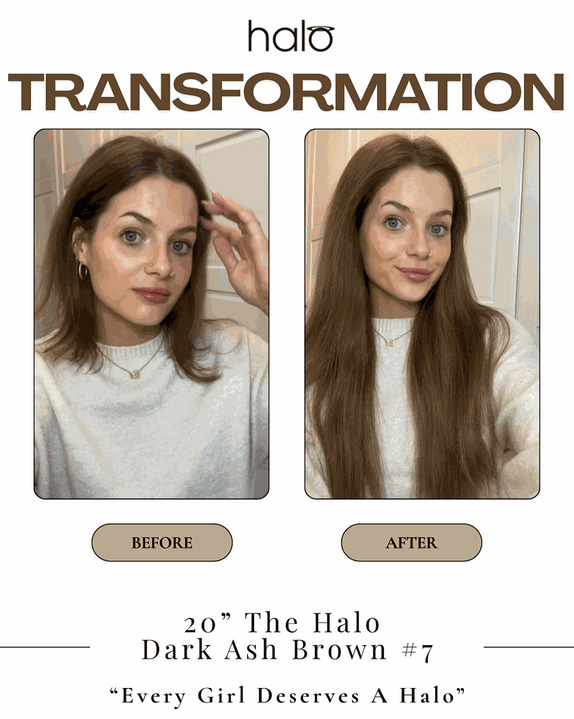
Halo extensions are widely considered one of the most fine hair-friendly options available. Rather than attaching to individual strands, a halo sits around the head on an invisible wire — meaning there is zero attachment, zero tension and zero risk of mechanical stress to your natural hair. They're also quick to fit, easy to remove, and ideal for everyday wear.
Clip-In Extensions
Clip-ins are a brilliant option for fine hair because they're entirely temporary. You apply them when you want extra volume or length and remove them at the end of the day, giving your natural hair a full rest overnight. The key for fine hair is using a lighter set and not over-clipping — fewer, well-placed wefts are more flattering and less stressful on fine strands.
Ponytail Extensions
A ponytail extension is a quick, impactful transformation for occasions when you want instant volume and length without committing to a full set. They wrap or clip around a gathered ponytail, blend beautifully, and can be removed in seconds. A great option for fine-haired clients who want an easy upgrade for events.
Tape-In Extensions
Tape extensions are a popular semi-permanent method applied by a professional. Ultra-thin wefts are sandwiched either side of a section of natural hair using a medical-grade adhesive tape. For fine hair, the flat, low-profile application means they lie discreetly close to the scalp and distribute weight evenly. Maintenance appointments are typically required every 6–8 weeks.
Nano Rings
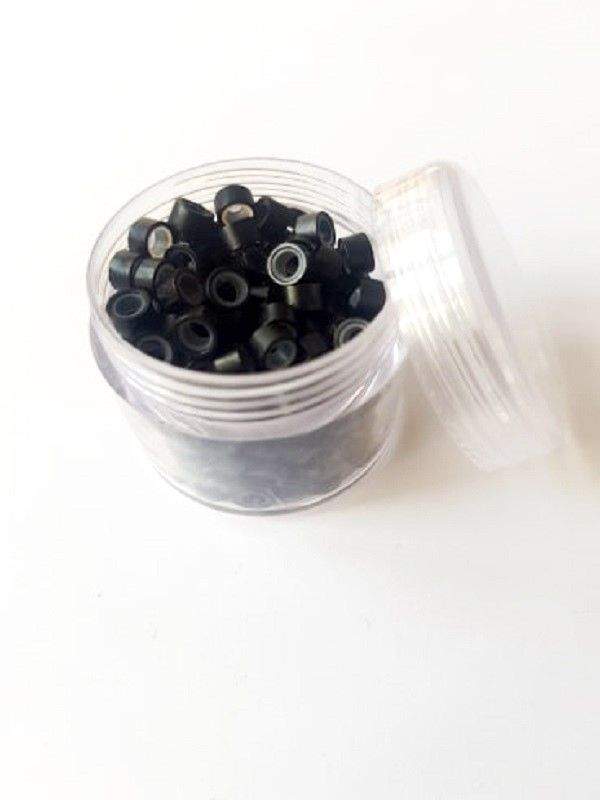
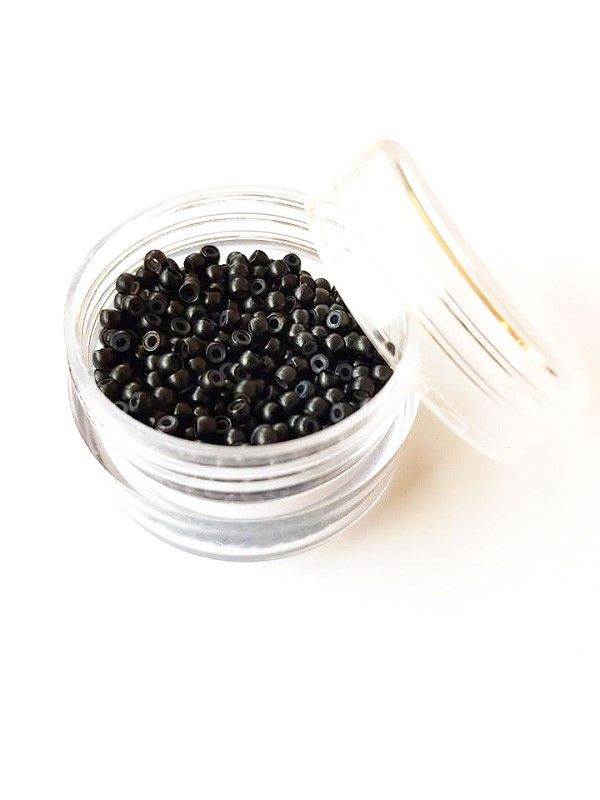
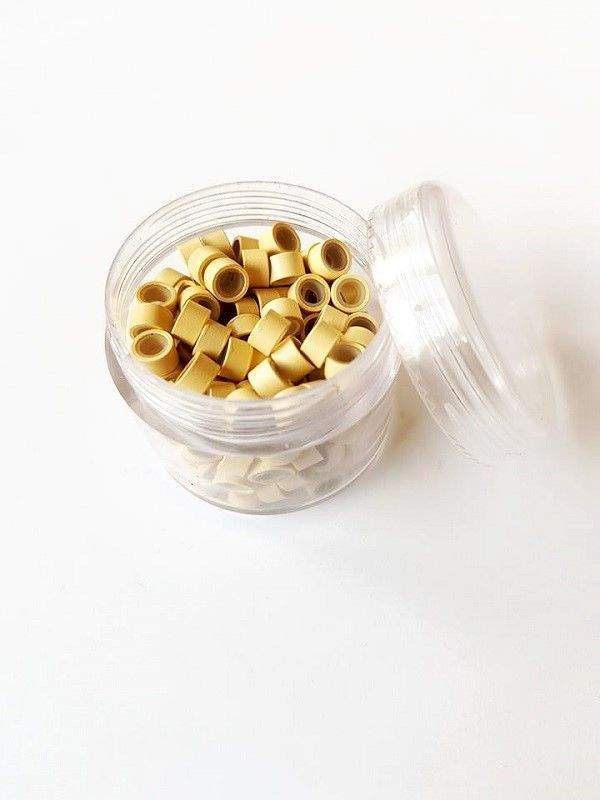
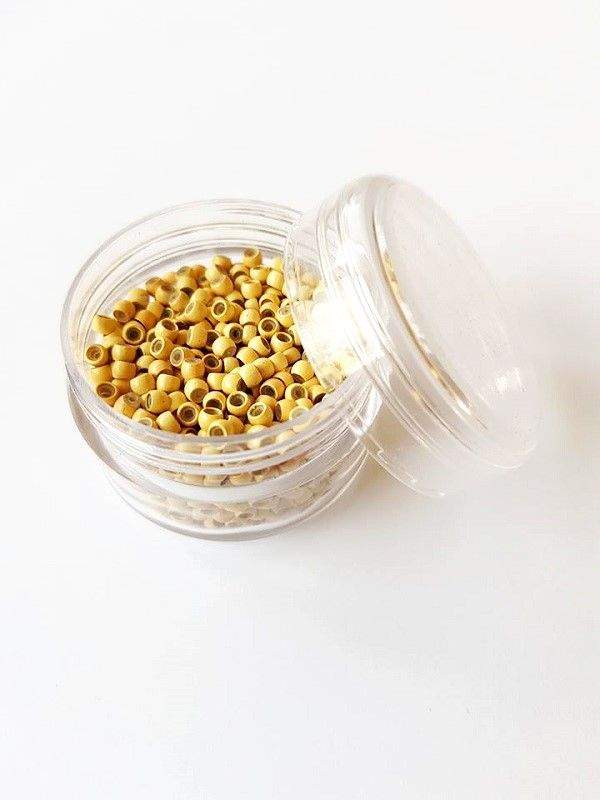
Nano rings use tiny individual rings to secure a single strand of extension hair to a micro-section of natural hair — no heat or adhesive required. They are one of the smallest, most discreet attachment methods available. For fine hair, professional assessment is essential: the rings must be placed with care and precision to avoid tension. When applied correctly by an experienced extensionist, nano rings can be an excellent long-term option.
Weft Extensions
Wefts — whether sewn, beaded or bonded — suit clients with a reasonable amount of natural hair to anchor them. For fine hair, wefts need to be applied carefully to avoid visible rows or excess weight. Genius wefts and flat wefts are thinner and more flexible than traditional machine wefts, making them a more suitable choice for finer hair types when fitted by a professional.
Halo vs Clip-Ins: Which Is Better for Fine Hair?
Both halos and clip-ins are attachment-free, making them the two safest options for fine or fragile hair. The right choice comes down to your lifestyle and what you need from your extensions.
Choose a Halo if: you want something quick to put in and take out, you prefer the feel of a continuous weft rather than individual clips, or you want a seamless, consistent result with minimal effort.
Choose Clip-Ins if: you want flexibility in how much volume or length you add, you prefer to build up coverage in specific areas, or you want the option to wear a partial set on some days and a full set on others.
For very fine or thinning hair where scalp visibility is a concern, halos often win — there are no clip attachment points to worry about and the wire sits discreetly under a top section of natural hair.
How Much Hair Do You Actually Need?
This is one of the most common mistakes fine-haired clients make. It's tempting to think that more hair equals more volume — but in reality, too much weight on fine hair can cause the extensions to sit unnaturally, pull downward, or be difficult to blend.
Someone with fine hair will almost always look better with a lighter, well-blended set than with a heavy set that overwhelms their natural hair. A good rule of thumb: start with less than you think you need, and build up if required. Our team is always happy to help guide you to the right weight for your hair type.
How to Choose the Right Length
Length is one of the most visually impactful decisions you'll make. Here's a rough guide to help you visualise each option:
- 12" – sits around the collarbone; ideal for adding volume without dramatic length.
- 14" – reaches just below the collarbone; a natural-looking choice for shorter starting lengths.
- 16" – mid-chest; one of the most popular lengths for a balanced, everyday result.
- 20" – reaches below the bust; noticeably longer and more dramatic.
- 24" – sits at or below the bust; a bold, statement length best suited to those with longer natural hair to blend into.
As a general guide, the shorter your natural hair, the shorter you should go with your extensions — a dramatic length difference can be difficult to blend seamlessly in fine hair.
How to Choose Your Colour
Colour matching is one of the most important steps in achieving natural-looking extensions — and one of the easiest to get wrong if you're working from artificial or filtered lighting. Always take your colour reference photos in natural daylight, away from indoor bulbs or flash.
If you're unsure, our Colour Match Service is here to help. Send us your photos and our team will advise you on the best shade or shade blend for your hair. Getting your colour right is the single biggest factor in extensions that look seamlessly natural.
Will Hair Extensions Damage Thin Hair?
Applied correctly and maintained well, hair extensions should not damage fine hair. The risk comes when:
- Too much weight is used for the density of natural hair
- Semi-permanent methods are applied without professional assessment
- Extensions are left in beyond the recommended time
- Removal is rushed or done incorrectly
- The hair underneath is not properly cared for between wears
Choosing a method appropriate for your hair type — and, for semi-permanent methods, working with a trained and experienced extensionist — dramatically reduces any risk. Temporary methods like halos and clip-ins carry virtually no risk when used as directed.
How to Make Extensions Look Natural in Fine Hair
Even the best quality extensions need to be worn and styled correctly to blend beautifully with fine hair. Here are the most important tips:
- Placement matters. Always conceal your attachment points — whether wire or clips — beneath a section of natural hair. This is the single most effective blending technique.
- Don't use more than you need. Lighter sets move more naturally and sit closer to the way fine hair naturally behaves.
- Match your texture. If your natural hair is straight, sleek extensions will blend well. If you add light waves to both your natural hair and your extensions before fitting, the texture unifies them.
- Blend the ends. A light point-cut or texturising of the extension ends (done by a hairdresser) can soften the line between your natural hair and the extensions.
- Style them together. Once your extensions are in, style your natural hair and the extensions simultaneously — curling or waving both at once creates the most seamless result.
- Consider length carefully. A shorter length that blends naturally will always look better than a longer length that creates a visible line of demarcation.
Leave a comment