



Essential Supplements and Vitamins for Optimal Hair Growth: A Complete Guide
by Halo Hair Extensions
Hair health is a reflection of overall wellness, and achieving luscious, strong locks requires more than just external care. At Halo Hair Extensions, we understand that beautiful hair starts from within. Whether you're looking to enhance your natural hair or considering hair extensions like our Halo Hair Extensions products, maintaining optimal hair growth through proper nutrition is fundamental. This comprehensive guide explores the essential supplements and vitamins that can transform your hair health and support natural growth.
Understanding Hair Growth and Nutrition
Hair growth is a complex biological process that depends on numerous factors, including genetics, hormones, and most importantly, nutrition. Each hair strand goes through three phases: the anagen phase (growth), the catagen phase (transition), and the telogen phase (resting). To support healthy progression through these phases, your body requires specific nutrients that nourish hair follicles from the inside out.
When your body lacks essential vitamins and minerals, hair growth can slow down, and you may experience increased hair loss, brittleness, and poor texture. This is why supplementation becomes crucial, especially if your diet doesn't provide adequate nutrients. By addressing nutritional deficiencies, you create an optimal environment for hair growth, which complements beautifully with quality hair solutions like Halo Hair Extensions.
Biotin: The Hair Growth Powerhouse
Biotin, also known as vitamin B7, is perhaps the most celebrated nutrient for hair health. This water-soluble vitamin plays a crucial role in the production of keratin, the primary protein that makes up your hair structure. Biotin strengthens hair from the root, reducing breakage and promoting thicker, healthier strands.
Research has shown that biotin supplementation can improve hair thickness and reduce hair loss, particularly in individuals with biotin deficiency. The recommended daily intake is 2.5 micrograms for adults, though many hair health supplements contain significantly higher doses. You can find biotin in foods like eggs, almonds, sweet potatoes, and spinach, but supplementation often provides more concentrated benefits.
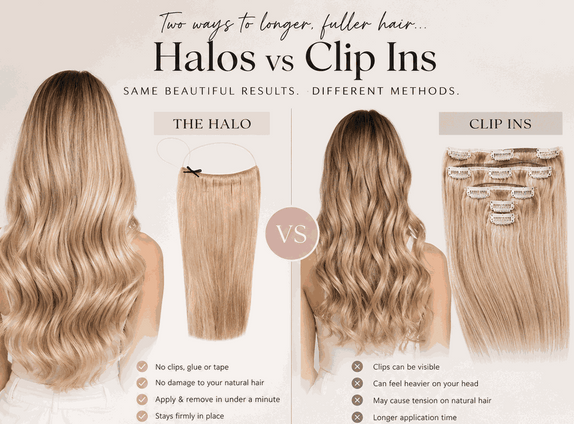
When using Halo Hair Extensions or any hair enhancement product, having strong natural hair underneath is essential. Biotin supplementation helps ensure your natural hair remains healthy and robust, creating the perfect foundation for seamless blending with premium hair extensions.
Vitamin D: The Sunshine Nutrient
Vitamin D deficiency has been linked to various forms of hair loss, including alopecia areata and androgenetic alopecia. This fat-soluble vitamin plays a vital role in hair follicle cycling and immune function. Vitamin D receptors are present in hair follicles, and adequate levels support the hair growth cycle.
Most people don't get enough vitamin D from sunlight alone, especially those living in northern climates or spending significant time indoors. Supplementation becomes necessary for many individuals. The recommended daily intake is 600-800 IU for most adults, though some experts suggest higher amounts for optimal hair health.
Foods rich in vitamin D include fatty fish, egg yolks, and fortified dairy products. However, supplementation through vitamin D3 capsules or drops is often the most reliable way to maintain adequate levels year-round.
Iron: Essential for Hair Follicle Function
Iron deficiency is one of the most common nutritional causes of hair loss. This mineral is crucial for carrying oxygen to hair follicles, and without adequate iron, hair growth is compromised. Iron deficiency anemia can lead to telogen effluvium, a condition where hair prematurely enters the resting phase and falls out.
Women are particularly susceptible to iron deficiency due to menstrual blood loss. The recommended daily intake is 8 mg for men and 18 mg for women of reproductive age. Before supplementing with iron, it's important to have your levels tested, as excess iron can also cause problems.
Good dietary sources include red meat, poultry, fish, legumes, and fortified cereals. If you're vegetarian or vegan, pairing iron-rich plant foods with vitamin C sources enhances absorption.
Zinc: The Immune and Growth Regulator
Zinc is essential for protein synthesis and cell division, both critical processes for hair growth. This mineral also supports immune function and helps regulate sebum production on the scalp. Zinc deficiency can lead to hair loss and poor wound healing.
The recommended daily intake is 11 mg for men and 8 mg for women. Zinc is found in oysters, beef, pumpkin seeds, and chickpeas. However, excessive zinc supplementation can interfere with copper absorption, so balance is important.
Vitamin B Complex: The Energy Vitamins
B vitamins play crucial roles in energy production and cell metabolism, both essential for healthy hair growth. The B complex includes B1, B2, B3, B5, B6, B12, and folate. Each vitamin contributes to different aspects of hair health.
Vitamin B12 is particularly important for hair growth and is especially relevant for vegetarians and vegans who may struggle to get adequate amounts from food sources. B5 (pantothenic acid) supports hair strength and elasticity, while B3 (niacin) improves scalp circulation.
A comprehensive B-complex supplement ensures you're getting adequate amounts of all B vitamins to support optimal hair growth and overall health.
Vitamin C: The Collagen Builder
Vitamin C is essential for collagen synthesis, and collagen is a crucial component of hair structure. This antioxidant also supports iron absorption, making it particularly important when supplementing with iron. Vitamin C protects hair follicles from oxidative stress and free radical damage.
The recommended daily intake is 75-90 mg for adults. Citrus fruits, berries, bell peppers, and leafy greens are excellent sources. Supplementation can provide concentrated doses to support hair health.
Vitamin E: The Antioxidant Protector
Vitamin E is a powerful antioxidant that protects hair follicles from oxidative stress. This fat-soluble vitamin supports scalp health and may improve blood circulation to hair follicles. Studies suggest that vitamin E supplementation can improve hair density and growth.
The recommended daily intake is 15 mg for adults. Nuts, seeds, vegetable oils, and leafy greens are good sources, though supplementation can provide additional benefits.
Collagen and Protein: Building Blocks of Hair
Hair is primarily composed of a protein called keratin. Ensuring adequate protein intake is fundamental for hair growth. Collagen supplements have gained popularity for hair health, as collagen contains amino acids that support keratin production.
Consuming adequate protein through diet is essential, with recommendations of 0.8 grams per kilogram of body weight daily. Collagen peptides or hydrolyzed collagen supplements can provide additional support for hair, skin, and joint health.
Creating Your Supplement Strategy
When considering supplements for hair growth, it's important to approach this holistically. Rather than taking isolated supplements, consider a comprehensive approach that addresses multiple nutritional needs. Many hair health supplements combine several of these nutrients in one formula, making it easier to maintain consistent supplementation.
Before starting any supplement regimen, consult with a healthcare provider or registered dietitian. They can assess your individual nutritional needs, test for deficiencies, and recommend appropriate dosages. This is particularly important if you're taking medications or have underlying health conditions.
Complementing Your Hair Care Routine
While supplements support hair growth from within, external care remains important. Maintaining a healthy scalp, using quality hair care products, and protecting your hair from damage all contribute to optimal results. If you're using Halo Hair Extensions, ensuring your natural hair is well-nourished and healthy creates the perfect foundation for seamless integration and beautiful results.
Conclusion
Achieving healthy, vibrant hair growth requires a multifaceted approach that includes proper nutrition, supplementation, and external care. By incorporating essential vitamins and minerals into your daily routine, you create an optimal environment for hair growth and strength. Whether you're working to enhance your natural hair or considering premium solutions like Halo Hair Extensions, starting with nutritional support ensures you have the healthiest possible foundation. Remember that results take time, and consistency is key. With patience and proper supplementation, you'll notice improvements in hair thickness, strength, and overall health within several months.
Tag:Hair CareHair Care TipsHair ExtensionsHair Growthhair growth tipsHair Healthhair health guideHair Health TipsHair Losshair supplementsHair VitaminsHair WellnessHalo Hair ExtensionsHealthy HairHealthy Hair TipsNatural HairNatural Hair CareNatural Remediesnutritionnutrition for hairSupplementssupplements for hairVitaminsvitamins for hair


Leave a comment